
Claiming Dental Expenses On Your Tax Return In Canada: 2024 Guide for Maximum Deductions
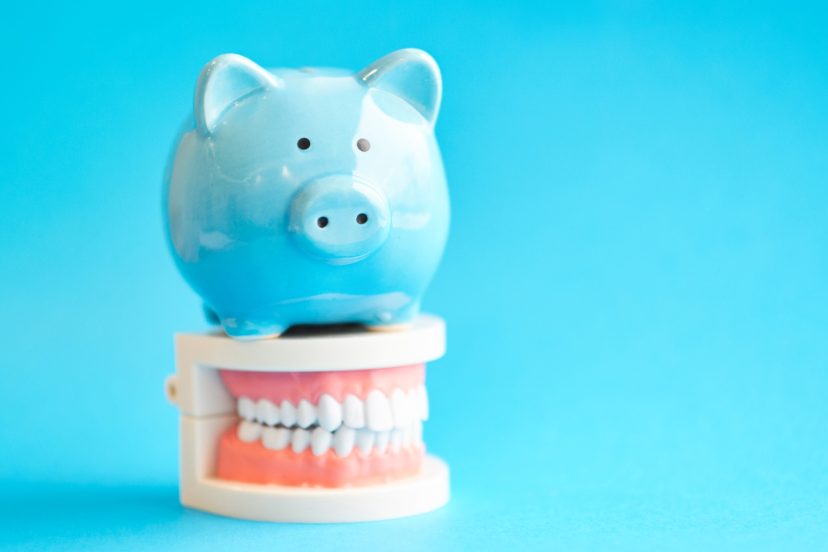
Claiming dental expenses on your tax return In Canada is a helpful deduction. Managing dental expenses can strain your budget, even with insurance coverage. The good news is that you can claim many dental expenses on your Canadian tax return. You can claim eligible dental costs through the Medical Expense Tax Credit (METC), which helps reduce the tax you owe for any 12-month period ending in the tax year.
The Canada Revenue Agency lets you claim out-of-pocket dental costs that your insurance doesn’t cover. This includes routine checkups, fillings, crowns, and other non-cosmetic dental work. You’ll need to meet a minimum threshold of expenses before the credit applies.
Key Takeaways
- You can claim dental expenses that exceed 3% of your net income or $2,759, whichever is less
- The METC covers most non-cosmetic dental procedures and treatments
- You must keep all receipts and records for dental work claimed on your tax return
Eligibility for Claiming Dental Expenses For Your Tax Return
The Medical Expense Tax Credit lets you claim dental costs paid for you, your spouse, and dependents. You can claim expenses from any 12-month period that ends in the tax year.
Definition of Eligible Dental Expenses
Most non-cosmetic dental work qualifies as a medical expense for tax purposes. This includes:
- Regular checkups and cleanings
- Fillings and root canals
- Crowns and bridges
- Dentures and implants
- X-rays and lab tests
- Orthodontic work like braces
You can claim the portion of expenses not covered by your insurance plan. Keep all receipts and documents from your dental office as proof.
Limitations and Exclusions
Your total eligible medical expenses must be more than 3% of your net income or $2,759 (whichever is less) to qualify for the tax credit.
These dental procedures do not qualify:
- Cosmetic treatments like teeth whitening
- Over-the-counter products like toothpaste
- Travel costs to dental appointments
- Cancelled appointment fees
You must pay the expenses within a 12-month period ending in 2024. The credit only applies to amounts you haven’t claimed in previous years.
Calculating Your Dental Expense Claims
Medical expense tax credits can reduce your tax bill when you claim dental costs. The amount you can claim depends on your income and timing of expenses.
Net Income and Threshold Calculations
The amount you can claim for dental expenses must be more than 3% of your net income or $2,635 for 2024, whichever is less. This is called your minimum threshold.
To find your threshold amount:
- Take your net income from line 23600
- Multiply it by 3%
- Compare this number to $2,635
- Use the smaller amount
For example, if your net income is $50,000:
- 3% = $1,500
- Since $1,500 is less than $2,635, your threshold is $1,500
Maximizing Your Deductions
You can claim eligible dental expenses for yourself, your spouse, and dependants in any 12-month period that ends in the tax year.
Choose your claim period carefully. Pick 12 months when you had the most dental expenses.
Keep all receipts from dental work. The Medical Expense Tax Credit applies to most non-cosmetic procedures.
Check if you qualify for the Refundable Medical Expense Supplement if your income is low. This can give you money back even if you don’t owe tax.
How to Claim Dental Expenses
Claiming dental expenses on your Canadian tax return requires proper documentation and following specific Canada Revenue Agency (CRA) guidelines. You can claim eligible dental expenses that weren’t covered by insurance during any 12-month period ending in the tax year.
Filling Out the Tax Forms
Enter your dental expenses on lines 33099 or 33199 of your tax return. The Medical Expense Tax Credit (METC) helps offset costs that exceed the lesser of $2,635 or 3% of your net income.
You must include expenses for yourself, your spouse, and dependent children under 18. Keep track of all payments throughout the year.
If you have extensive dental work due to a disability, you might qualify for the Disability Tax Credit using Form T2201.
Supporting Documentation Requirements
Keep all original receipts from your dental office. These must show:
- Patient name
- Service date
- Payment amount
- Description of services
- Dental office details
The CRA might ask for these receipts up to six years after filing. Don’t send receipts with your return unless requested.
If insurance covered part of your expenses, keep statements showing the portion you paid. For major dental work, get certification in writing from your dentist explaining why the procedure was medically necessary.
Special Considerations for Dental Claims
Dental expenses tax credits can help reduce your tax burden, with specific rules for disability support and dependents.
Impairment and Disability Supports
You can claim dental expenses as part of disability supports. The Disability Supports Deduction lets you claim dental work needed due to impairments.
If you need special travel for dental care, you can claim these costs when you travel over 40 kilometres for treatment. Keep receipts for:
- Gas and mileage
- Meals during travel
- Accommodation if needed
You must get a note from your dentist confirming the need to travel for treatment. The travel expenses must be reasonable given your situation.
Dental Claims for Dependents
You can claim dental expenses for dependents who rely on you for support. This includes children under 18 and adult dependents with disabilities.
The maximum claim amount is based on the dependent’s net income. You’ll need to calculate 3% of their net income or $2,759, whichever is less.
Key documents needed:
- Receipts for all dental work
- Proof of dependency status
- Income statements for dependents
Consider using a TFSA to save for future dental expenses. This gives you tax-free growth on money set aside for dental care.
Legal and Professional Assistance
Getting expert help with dental expense claims ensures you receive all eligible tax credits while staying compliant with Canadian tax laws. Tax specialists can maximize your returns and protect your interests.
When to Consult a Tax Professional
Complex dental claims often need professional guidance. If your dental expenses exceed $5,000 or include multiple family members, a tax professional can help organize your documentation properly.
A qualified tax expert will identify all eligible dental procedures that qualify for the Medical Expense Tax Credit (METC). They can also help determine the best 12-month claiming period to maximize your benefits.
Tax professionals stay current with CRA guidelines and regulations. They understand which dental treatments qualify and how to properly document expenses for your tax return.
Understanding Your Legal Rights
The CRA allows you to claim legitimate dental expenses as medical tax credits. You have the right to claim expenses for yourself, your spouse, and your dependents.
Keep all dental receipts and documentation for 6 years after filing. The CRA may request these documents to verify your claims.
You can dispute CRA decisions about denied dental expense claims. A tax professional can guide you through the appeal process and represent your interests.
Make sure to retain detailed treatment descriptions from your dental provider. This documentation strengthens your claim and supports your legal right to claim valid medical expenses.
Frequently Asked Questions
The Canadian tax system allows specific medical and dental expenses to be claimed as tax credits when they exceed a minimum threshold. The Medical Expense Tax Credit covers many dental procedures and treatments not fully paid by insurance plans.
Are dental expenses tax deductible in Canada?
Medical and dental expenses qualify for a non-refundable tax credit that reduces your taxable income.
You can claim expenses paid in any 12-month period ending in the tax year, as long as you haven’t claimed them before.
What are the limits for claiming dental expenses on my tax return in Canada?
You must spend more than 3% of your net income or $2,635 (whichever is less) before claiming the Medical Expense Tax Credit.
The credit applies to expenses above this threshold amount.
Which dental expenses are eligible for tax deductions under the Canada Revenue Agency guidelines?
Eligible dental procedures include cleanings, fillings, root canals, crowns, and dentures.
Orthodontic work like braces and dental surgery performed by licensed dentists also qualify.
Can I claim dental procedures such as implants as a medical expense on my Canadian taxes?
Dental implants are eligible medical expenses when prescribed by a dental practitioner.
You can claim both the implant procedure and related costs like X-rays and consultations.
How do I claim dental expenses for dependents over 18 years old on my Canadian tax return?
You can claim dental expenses for dependent children over 18 if they rely on you for support due to mental or physical impairment.
The dependent must live in Canada at some point during the tax year.
Are there any special considerations for claiming optical expenses alongside dental on my Canadian taxes?
Prescription eyewear and eye exams can be claimed together with dental expenses under the same Medical Expense Tax Credit.
Keep receipts for both dental and optical expenses to support your claims.


